You set the temperature, you waited, and your inflatable hot tub is still nowhere near where it needs to be. It is frustrating especially on a cold Canadian evening when all you want is a warm, relaxing soak. The thing is, this is actually one of the most common issues inflatable hot tub owners run into, and in most cases, there is a perfectly logical reason behind it.
At Relxtime, we hear this question a lot. So let us walk through why your inflatable spa might not be reaching temperature, what is actually causing it, and what you can do to fix it without calling in a professional.
How Inflatable Hot Tubs Heat — And Why They Struggle?
Before diving into the causes, it helps to understand what you are working with. Inflatable hot tubs use a built-in heater that typically raises water temperature by around 1 to 2 degrees Celsius per hour. That is significantly slower than hard-shell hot tubs, which use more powerful heating systems.
This means that even when everything is working perfectly, your inflatable spa takes time. But when something is off even slightly that heating process slows down even further or stops making progress altogether. Here is what is usually behind it.
Reasons Your Inflatable Hot Tub Is Not Getting to Temperature?
Discover the most common reasons why your inflatable hot tub isn’t heating properly
The Outdoor Temperature Is Working Against You
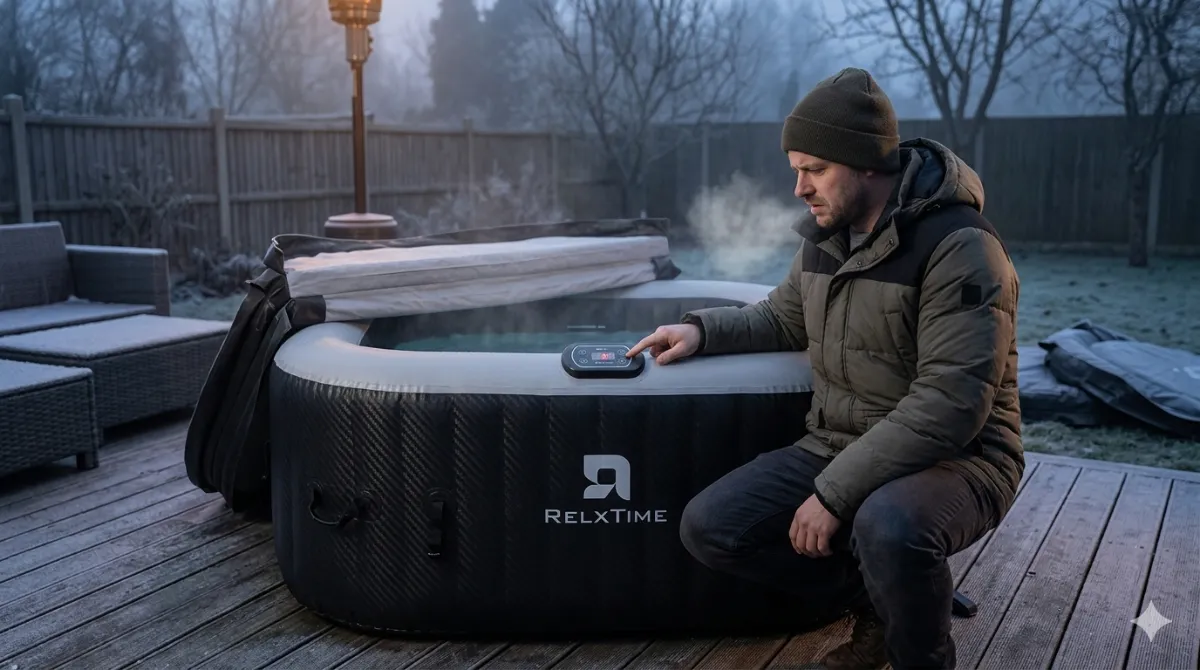
This is the biggest one. Inflatable hot tubs are not insulated the way hard-shell models are. When the air temperature outside drops, heat escapes through the walls, floor, and surface of the water much faster than the heater can replace it. In Canadian winters, this becomes a real battle.
If your hot tub temperature is not going up on a cold day, the outdoor conditions may simply be overwhelming your heater. Most inflatable hot tubs are honestly not designed for temperatures below 4 or 5 degrees Celsius and some manufacturers will tell you the same in their manuals.
The Cover Is Not Doing Its Job
A huge amount of heat is lost through the water surface. If your cover is damaged, does not fit properly, or is not being used consistently, your heater is constantly playing catch-up. This is one of the most common reasons a hot tub won’t reach temperature and one of the easiest to fix.
Check your cover for tears, sagging, or gaps around the edges. Even a small gap lets warm air escape continuously. If your cover has seen better days, replacing it makes a noticeable difference almost immediately.
Your Heater Is Running But Not Actually Heating?
This is a confusing one because the unit sounds like it is working the pump is running, everything seems normal but the water temperature is just not climbing. When your inflatable spa heater is running but not heating effectively, a few things could be going on:
- The water flow through the heater is restricted due to a dirty filter
- There is an airlock in the system preventing proper water circulation
- The heater element itself may be worn or partially failing
- The pump and heater are running on separate settings and not working together
Start with the filter. A clogged filter reduces water flow dramatically, and when water is not moving through the heater properly, barely any heat transfers to the water. Clean or replace the filter and see if that makes a difference before anything else.
The Hot Tub Is Too Large for the Heater to Keep Up
If you have recently upgraded to a larger inflatable spa, or if you are filling yours to maximum capacity, the heater may simply not have enough power to heat that volume of water efficiently particularly in cooler weather. This is a design limitation rather than a fault, but it does explain why your hot tub is taking so long to warm up.
Starting with warmer fill water from your tap can genuinely cut your initial heat-up time significantly. It sounds obvious, but many people fill from a cold outdoor hose and then wonder why it takes half a day to heat up.
Heat Is Escaping Through the Ground
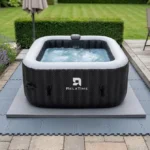
Inflatable hot tubs lose a surprising amount of heat through their base. If yours is sitting directly on a cold patio, concrete, or grass, the ground is pulling warmth out of the water constantly. Placing an insulating mat or even a layer of foam board underneath can make a real difference to how well your hot tub holds temperature over time.
The Jets Are Running When They Should Not Be
Running the bubble jets and the heater simultaneously is something a lot of people do without realising it slows heating down. On most inflatable hot tubs, the jets and the heater cannot run at full efficiency at the same time and in many models, the heater actually switches off when the jets are active. If you want the water to heat up faster, turn the jets off and let the heater run on its own.
How to Improve Inflatable Hot Tub Heating Efficiency?
Once you have identified what is causing the problem, here are some practical steps to get better results:
- Keep the cover on at all times: when the tub is not in use this single habit makes more difference than anything else
- Clean your filter regularly: so water flows freely through the heating system
- Use a ground insulation mat: to stop heat loss through the base
- Fill with warm tap water: to reduce initial heat-up time
- Heat during warmer parts of the day: when outdoor temperatures are at their highest
- Turn the jets off: while the heater is working to maximise heating efficiency
- Set the temperature before you need it: give your spa several hours of lead time, especially in winter
When Should You Be Worried?
Most heating issues come down to the causes above and are completely fixable. However, if your hot tub heater is running consistently and the water temperature is still dropping or not moving at all even in reasonable conditions with a good cover and clean filter the heater element may be failing. At that point, checking your warranty documentation and contacting the manufacturer is the right move.
Conclusion
An inflatable hot tub not reaching temperature is rarely a sign of a serious problem. More often than not, it comes down to cold weather, a tired cover, a dirty filter, or heat escaping through the ground. The fixes are simple, and most of them cost very little.
At Relxtime, we want every soak to be worth the wait. A few small adjustments to how you manage your spa can turn a frustratingly lukewarm tub into a consistently warm and relaxing experience — even through a Canadian winter.
Frequently Asked Questions?
Here are some frequently asked questions given below:
Why is my inflatable hot tub not reaching temperature even when the heater is on?
The most likely causes are a dirty filter restricting water flow, heat loss through a damaged cover, or cold outdoor temperatures overwhelming the heater start by cleaning the filter and checking that your cover fits properly with no gaps.
Why is my inflatable spa dropping temperature overnight?
Heat loss overnight is almost always related to a poorly fitting or damaged cover combined with cold air temperatures keeping the cover in good condition and adding a ground insulation mat underneath the tub will help hold the heat much better.
Can I use my inflatable hot tub in winter in Canada?
You can, but most inflatable hot tubs struggle in temperatures below 4 to 5 degrees Celsius using a good insulated cover, a ground mat, and heating during the warmer part of the day will all help, though results vary by model and location.
Why does my inflatable hot tub take so long to warm up?
Inflatable hot tubs only heat water by about 1 to 2 degrees per hour, so filling with cold water and expecting quick results is not realistic fill with warm tap water and give the heater several hours of uninterrupted running time with the jets off.
Should the jets be on or off when heating my inflatable hot tub?
Turn the jets off while the heater is running on most inflatable models, running both at the same time reduces heating efficiency significantly, and in some models the heater will not operate at full power while the jets are active.