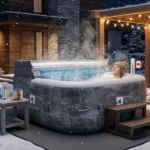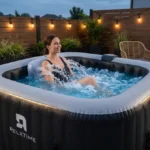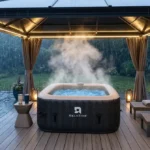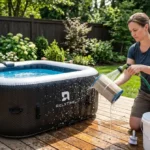
You’ve ordered your inflatable hot tub exciting! But now comes the question that trips up more Canadian homeowners than you’d expect: where exactly should you put it?
Placement isn’t just about aesthetics. The right location affects your safety, your tub’s longevity, your energy abills, and how much you actually enjoy using it. Get it wrong and you’re dealing with soggy ground, electrical hazards, or a tub that’s simply too exposed to Canada’s brutal winters.
At Relxtime, we’ve helped countless Canadians set up their inflatable spas with confidence. This complete inflatable hot tub setup and placement guide will walk you through everything from ground preparation to cold-weather positioning so you get it right the first time.
Know Your Space Requirements
Before you scout a location, understand the minimum space your tub needs. Most Relxtime inflatable hot tubs range from 180 cm to 220 cm in diameter. But the tub itself is only part of the equation.
Hot Tub Space Requirements
| Element | Recommended Space |
|---|---|
| Tub diameter clearance | Add 60–90 cm on all sides |
| Entry/exit space | Minimum 90 cm clear on at least one side |
| Electrical outlet access | Within 3–5 metres (use a GFCI outlet) |
| Total recommended area | Approximately 4m x 4m minimum |
This buffer space allows for safe entry and exit, maintenance access, and airflow around the tub all essential for backyard hot tub setup success.
Choose the Right Surface
What to place under an inflatable hot tub is one of the most critical decisions you’ll make. A filled inflatable hot tub can weigh between 800 kg and 1,200 kg depending on size. That weight needs proper support.
Best Surfaces for Inflatable Hot Tub Placement
Concrete Patio or Paving Slabs The gold standard. Flat, hard, and stable concrete distributes the tub’s weight evenly and won’t shift over time. It also makes cleaning the area around the tub much easier.
Composite Decking A popular choice in Canadian backyards. However, you must verify your deck’s load-bearing capacity before placing a filled hot tub. Consult a contractor if unsure an overloaded deck is a serious safety hazard.
Interlocking Pavers Works well as long as the base beneath is compacted and level. Pavers can shift slightly over freeze-thaw cycles, so check your surface every spring.
Thick Rubber or Foam Ground Mat If you’re placing your tub on grass or bare ground, always lay a foam or rubber ground mat underneath first. This protects the tub’s base from punctures, retains heat from the bottom, and creates a more stable footing.
Surfaces to Avoid
- Bare grass or soft soil the weight causes sinking and uneven pressure on the tub walls
- Gravel sharp stones can puncture the base
- Wooden pallets or uneven boards unsafe weight distribution
- Slopes any ground with more than a 1–2° incline is unsuitable
How to Prepare Ground for an Inflatable Hot Tub?
If you’re not placing your tub on an existing hard surface, preparing the yard for a hot tub takes a little work but makes a huge difference.
Ground Preparation Steps
- Clear the area — remove all rocks, roots, sticks, and sharp debris
- Level the ground — use a spirit level; even a slight slope causes uneven water pressure and discomfort
- Compact the soil — rent a plate compactor for soft or recently dug earth
- Lay a base layer — add compacted gravel or a concrete slab for long-term setups
- Add a ground mat — place a thick foam or rubber mat as the final layer before inflation
- Check drainage — ensure the area drains water away from the tub, not underneath it
Best Backyard Locations for Your Inflatable Hot Tub
Now that your surface is sorted, let’s talk about where to put a hot tub in your backyard for the best possible experience.
Near the House Convenient and Practical
Placing your Relxtime inflatable spa close to the back door is one of the most practical backyard inflatable hot tub placement ideas for Canadian homeowners. Here’s why:
- Easy access to a nearby GFCI electrical outlet
- Shorter walk in cold weather (huge bonus in winter)
- Access to indoor changing facilities and towels
- Simple hose access for filling and draining
A Sheltered Corner Protection from Wind and Weather
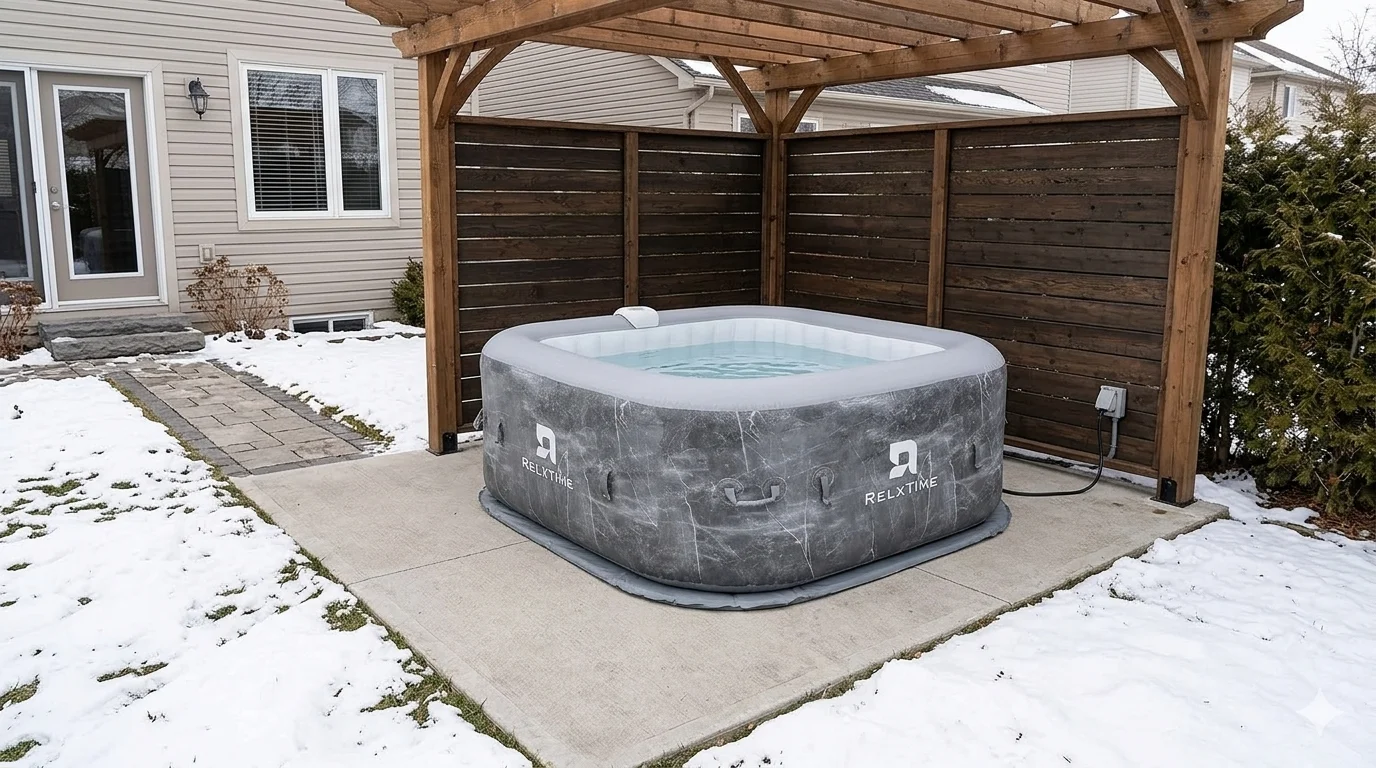
Wind chill is a real factor in Canadian winters. A sheltered corner backed by a fence, hedge, or garden wall significantly reduces heat loss and makes cold-weather soaking far more comfortable. This is one of the smartest hot tub location for cold weather Canada strategies available.
A pergola, privacy screen, or lattice overhead also helps retain warmth and adds a sense of enclosure that makes the spa feel like a true retreat.
Away from Trees Avoid Debris and Root Damage
Trees provide shade but bring problems. Falling leaves, sap, bird droppings, and branches all contaminate water and clog filters. Overhanging branches also create safety risks. Keep at least 3–4 metres of clearance from any large trees when planning your outdoor spa placement.
Small Backyard Hot Tub Ideas
Short on space? Here are some clever small backyard hot tub ideas for tighter Canadian yards:
- Corner placement with a wrap-around deck and built-in steps
- Against a fence with a folding privacy screen for a spa-like feel
- On a raised platform that doubles as a seating area when the tub is not in use
- Integrated into an existing patio with potted plants creating natural borders
Placement Mistakes to Avoid
Even with the best intentions, homeowners make common errors during hot tub installation preparation. Here’s what to watch out for:
Mistakes to Avoid When Placing a Hot Tub
Placing too far from a power source Extension cords are not safe for hot tub use. Your tub must be within reach of a permanent, weatherproof GFCI outlet. Never use a standard extension cord the electrical load is too high and the risk of shock is serious.
Ignoring privacy You want to relax, not perform. Consider sightlines from neighbouring properties, upstairs windows, and the street. A simple privacy screen or trellis with climbing plants solves this affordably.
Skipping the ground mat This is the most common and most damaging mistake. Without a proper mat, the vinyl base degrades faster, loses heat from below, and risks puncture damage.
Not accounting for drainage When it’s time to drain your tub, where does the water go? Plan your placement so drainage flows away from your home’s foundation and doesn’t create pooling or flooding issues.
Placing on an uneven surface without checking Even a small tilt causes stress on the tub’s seams over time and creates an uncomfortable soak. Always use a spirit level before inflation.
Hot Tub Placement for Cold Weather in Canada?
Canadian winters deserve special mention. Here’s how to set up your Relxtime inflatable hot tub to perform year-round:
- Position against a south-facing wall to benefit from natural solar warmth during the day
- Use an insulated ground mat heat loss through the base accounts for up to 30% of energy use
- Install a windbreak on the prevailing wind side to cut heat loss dramatically
- Keep the cover on when not in use an insulated hot tub cover is the single biggest energy saver in winter
- Keep it accessible a path cleared of ice and snow between your door and the tub prevents slips and makes winter soaks enjoyable rather than stressful
Complete Inflatable Hot Tub Setup Accessories
The right accessories make your placement permanent and polished. Here’s what Relxtime recommends for a complete outdoor spa installation:
| Accessory | Purpose |
|---|---|
| Insulated ground mat | Base protection and heat retention |
| Lockable safety cover | Heat retention and safety when not in use |
| Cover lifter | Makes removing the cover easy solo |
| Non-slip step stool | Safe entry and exit |
| Privacy screen or gazebo | Weather protection and privacy |
| GFCI outdoor outlet | Safe, compliant power source |
| Spa cup holder | Convenience during soaking |
| Chemical kit | Water balance and hygiene |
Conclusion
Knowing where to place an inflatable hot tub in your backyard in Canada can make the difference between a setup you love and one that causes ongoing headaches. The perfect spot is level, hard-surfaced, sheltered from wind, close to power, and prepared with the right base underneath.
Whether you have a spacious yard or a compact patio, there’s a placement solution that works for you.
With Relxtime’s inflatable hot tubs and this complete setup guide, your backyard spa is ready to deliver year-round comfort even through a Canadian winter. Take your time with placement, prepare the ground properly, and enjoy the soak you deserve.
Frequently Asked Questions?
Here are some frequently asked questions given below:
Can I place an inflatable hot tub on grass?
It’s not recommended without proper preparation. Bare grass is too soft and uneven to support the weight of a filled hot tub safely. If grass is your only option, lay compacted gravel and a thick rubber or foam mat first to create a stable, protective base.
How much space do I need for an inflatable hot tub in my backyard?
You need at least the tub’s diameter plus 60–90 cm of clearance on all sides for safe access and maintenance. A minimum clear area of approximately 4 metres by 4 metres is recommended for most standard Relxtime models.
Can an inflatable hot tub be placed indoors?
Yes, some homeowners place inflatable spas in garages, sunrooms, or large basements. However, you need to account for drainage, humidity management, adequate ventilation, and a floor strong enough to bear the water weight. Always consult a structural professional before indoor placement.
What should I put under my inflatable hot tub?
The best option is a concrete patio or paving slabs with a foam or rubber spa mat on top. The mat protects the vinyl base from punctures, insulates against ground cold, and creates a non-slip surface. Never place the tub directly on gravel or bare soil.
How do I keep my inflatable hot tub warm in a Canadian winter?
Position the tub against a sheltered south-facing wall, use an insulated ground mat, install a windbreak, and always keep the insulated cover on when the tub is not in use. Reducing wind exposure and base heat loss are the two most effective ways to cut energy costs during cold Canadian