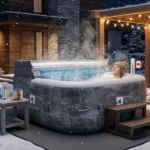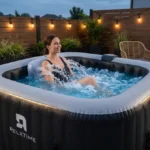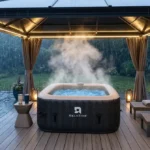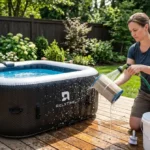
There is something genuinely wonderful about sinking into a warm hot tub after a long Canadian winter day. The heat loosens tight muscles, the quiet helps you decompress, and suddenly the world feels a little more manageable. But here is what a lot of people skip over a hot tub is not just a luxury appliance. It carries real safety responsibilities, especially when children, guests, or first-time users are involved.
At Relxtime, we want every Canadian family to enjoy their spa experience without worry. This complete hot tub safety guide walks you through everything you need to know from water temperature limits to child supervision, winter-specific risks, and the most common mistakes people make without even realizing it.
Why Hot Tub Safety Cannot Be an Afterthought?
Hot tubs are remarkably safe when used correctly. The trouble is that most accidents happen not out of recklessness, but simply because people are not aware of the risks. Overheating in hot tubs, for example, creeps up slowly. You feel relaxed, then a little lightheaded, and before you know it, dizziness has set in. The same goes for children, who are far more sensitive to heat and water hazards than adults.
Understanding the core hot tub safety rules before you ever step in is the difference between a truly enjoyable experience and a preventable emergency.
Getting the Temperature Right Every Time
Hot tub temperature safety is one of the most talked-about topics in spa ownership and for good reason. The water feels deceptively comfortable, which makes it easy to assume everything is fine when it is not.
| User Type | Recommended Temperature | Maximum Limit |
|---|---|---|
| Adults (general use) | 100°F – 102°F (38°C – 39°C) | 104°F (40°C) |
| Seniors / those with health conditions | 98°F – 100°F (37°C – 38°C) | 100°F (38°C) |
| Children (supervised) | Around 95°F (35°C) | Do not exceed 98°F |
| Pregnant women | Consult a doctor first | Generally avoid above 101°F |
Always use a reliable thermometer before getting in. Do not rely solely on the built-in digital display, as sensors can sometimes read slightly off, particularly on older units or inflatable hot tubs used outdoors in cold Canadian weather.
💡 Relxtime Tip: In winter, the contrast between freezing outdoor air and hot water can feel exhilarating but this contrast can actually mask how high the temperature really is. Double-check your settings every time.
How Long Is Too Long? Safe Soaking Duration?
One of the most overlooked hot tub safety guidelines is simply knowing when to get out. Most adults can safely soak for 10 to 15 minutes before taking a break, cooling down, and rehydrating. Staying in longer than that raises your core body temperature, strains your cardiovascular system, and leaves you vulnerable to dehydration.
Here is a simple rhythm that works well for most people:
- Soak for 10 to 15 minutes
- Exit and rest for at least 5 minutes
- Drink a glass of water before re-entering
- Limit total soaking to 30 to 45 minutes per session
If you ever feel dizzy, unusually flushed, or notice your heart racing, exit the tub immediately. These are early signs that your body is under heat stress.
Hot Tub Safety for Families: Protecting Your Children
This section deserves extra attention because the risks for children are significantly greater than for adults. Young bodies heat up faster, have less body mass to regulate temperature, and are more susceptible to hot tub drain entrapment and drowning.
Rules to Follow When Kids Are Around
- Never leave children unattended in or near a hot tub, even for a moment
- Keep a childproof hot tub cover locked when the spa is not in use
- Teach older children basic spa safety guidelines before they use it
- Babies and toddlers should not use hot tubs unless a paediatrician has specifically approved it
- Keep pool noodles or flotation aids nearby, even in shallow water
Hair entanglement in hot tub drains is a serious hazard that many parents are not aware of. Long hair can get pulled into the drain with surprising force. Always tie back long hair and make sure your hot tub has an anti-entrapment drain cover installed.
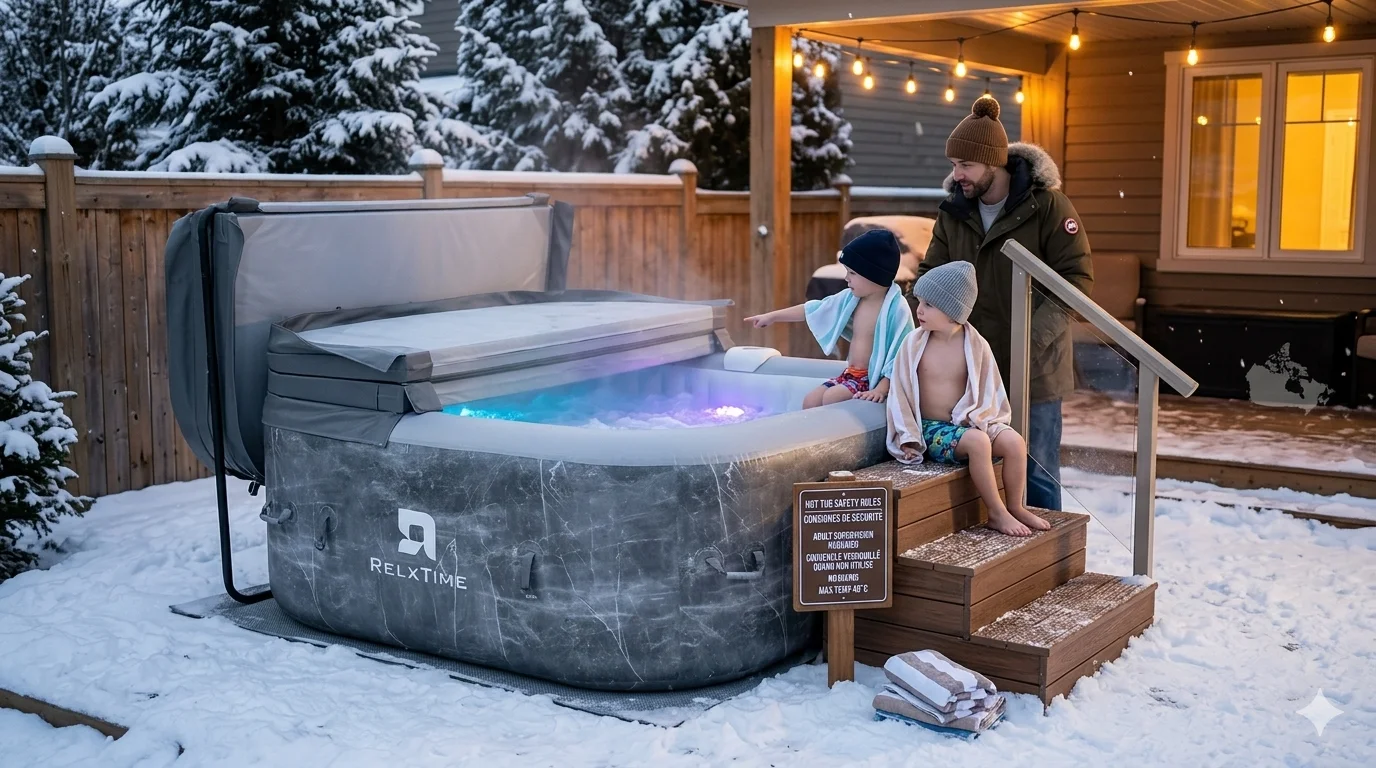
💡 Relxtime Tip: Post a small hot tub safety rules sign near the spa. It sounds simple, but a visible reminder genuinely changes behaviour especially for visiting children or guests who are unfamiliar with your setup.
Alcohol, Medications, and Hot Tubs Do Not Mix
This is one of the most frequently ignored hot tub safety mistakes to avoid. Alcohol dilates blood vessels, accelerates dehydration, and impairs coordination. In a hot tub environment where your blood pressure is already affected by the heat, adding alcohol into the equation dramatically increases the risk of fainting or losing consciousness in the water.
The same applies to certain medications. If you or a family member takes blood pressure medication, sedatives, or anything that causes drowsiness, speak with your doctor before using the spa. The combination of heat and some medications can cause a sudden drop in blood pressure that feels fine one moment and dangerous the next.
Safe rule: Save the drink for after your soak, not during it.
Hygiene Basics That Protect Everyone
Spa water hygiene is not just about cleanliness it directly affects the health of everyone who shares the tub. Oils, lotions, hair products, and bacteria from skin can quickly overwhelm a filtration system and create conditions where harmful microorganisms thrive.
Before You Enter
- Shower with soap and rinse thoroughly
- Remove all lotions, sunscreens, and body oils
- Avoid using the hot tub if you have an open wound or active skin infection
Ongoing Water Maintenance
- Test pH and sanitizer levels at least twice per week
- Shock the water after heavy use or after multiple users
- Clean and rinse the filter regularly to prevent filter clogging in hot tubs
- Drain and refill the tub every three to four months
Properly balanced water is one of the least glamorous but most important parts of safe hot tub usage. At Relxtime, we always recommend keeping a simple testing kit beside your spa so checking levels becomes a habit, not a chore.
Electrical Safety Around Hot Tubs
Water and electricity are a dangerous combination, and electrical hot tub safety tips are non-negotiable. This is especially relevant in Canada, where outdoor setups face moisture, snow, and freezing conditions that can degrade wiring and connections over time.
- Have your hot tub installed and inspected by a licensed electrician
- Install a ground fault circuit interrupter (GFCI) this is required by Canadian electrical code for all hot tub installations
- Keep all electrical devices phones, speakers, extension cords well away from the water
- Never use a hot tub during a lightning storm
- Inspect outdoor wiring annually, especially after a harsh winter
Winter Hot Tub Use in Canada: Extra Precautions
One of the most common questions Relxtime hears is whether it is safe to use a hot tub in winter. The answer is yes with the right precautions. Cold weather adds a specific set of risks that warm-weather users do not face.
| Winter Risk | Why It Matters | What to Do |
|---|---|---|
| Extreme temperature contrast | Can cause rapid blood pressure changes | Enter and exit slowly; use a robe |
| Freezing air exposure when wet | Increases hypothermia risk after exiting | Dry off immediately; go indoors quickly |
| Equipment freezing | Pumps and pipes can crack | Maintain water temp above 35°C even when idle |
| Slippery surfaces around the tub | Increases fall risk on icy decks | Use non-slip mats and handrails |
For inflatable hot tub safety tips for cold weather Canada, always check that your unit is rated for outdoor winter use. Many inflatable models are not designed to maintain safe temperatures below –5°C, which can put strain on the heating system and lead to sudden failures.
Health Conditions That Require Extra Caution
Hot tubs are not suitable for everyone without some consideration. If you or someone in your family has any of the following conditions, a conversation with a doctor before soaking is strongly recommended:
- Heart disease or a history of heart attacks
- High or low blood pressure
- Pregnancy (particularly the first trimester)
- Epilepsy or seizure disorders
- Diabetes or circulatory problems
- Recent surgery or open wounds
These hot tub precautions exist because heat directly affects circulation, heart rate, and blood pressure. What feels relaxing for a healthy adult can place serious strain on someone with an underlying condition.
Physical Safety and Built-In Features You Should Use?
Modern hot tubs come equipped with several safety mechanisms that are only useful if you actually use them.
Safety Features Worth Checking
- Emergency shut-off button know exactly where it is before every soak Anti-slip surfaces on steps and surrounding areas
- Lockable cover that supports the weight of a child who might walk across it
- Adjustable temperature controls with a maximum setting
- Proper handrails for entering and exiting
Beyond the built-in features, never dive into a hot tub regardless of how playful the moment feels. The water is shallow, and a head or neck injury from diving is catastrophic. Avoid rough play and be especially careful about wet, slippery surfaces around the unit.
Conclusion
A hot tub should be one of the most enjoyable parts of your home a space for recovery, connection, and genuine rest. The good news is that staying safe does not require a long list of complicated rules. It comes down to a handful of consistent habits: keep the temperature in the right range, limit your soak time, never leave children unattended, maintain clean water, and respect the electrical and environmental risks that come with the setup.
At Relxtime, we believe that a well-informed owner is a safe owner. Whether you are a first-time hot tub user or someone looking to revisit your safety habits, we hope this guide gives you the confidence to enjoy your spa experience fully and responsibly through every Canadian season.
Frequently Asked Questions?
Here are some frequently asked questions given below:
What is the safest temperature for a hot tub in Canada?
For most healthy adults, a water temperature between 100°F and 102°F (38°C to 39°C) is considered safe and comfortable. The absolute maximum hot tub temperature recommended by health authorities is 104°F (40°C). For children, keep the temperature closer to 95°F (35°C) and always supervise them directly.
How long should you stay in a hot tub per session?
The general guideline is 10 to 15 minutes per session, followed by a short break to cool down and rehydrate. Most people should not exceed 30 to 45 minutes of total soaking in a single session. Staying longer than recommended increases your risk of overheating in hot tubs, dizziness, and dehydration.
Is it safe for children to use a hot tub?
Children can use hot tubs safely with constant adult supervision and lower water temperatures. Babies under 5 should generally avoid hot tubs unless a doctor has given the go-ahead. Never leave kids unattended, always use a childproof hot tub cover when the tub is not in use, and ensure the drain has an anti-entrapment cover installed.
Can you use a hot tub in cold Canadian winters?
Yes, hot tubs can absolutely be used during Canadian winters many people find it one of the most enjoyable times to soak. However, there are added risks such as extreme temperature contrast, slippery surfaces, and equipment issues caused by freezing. Exit the tub slowly, dry off and get indoors quickly, and keep the tub heated and covered even when not in use to protect your equipment.
What are the most important hot tub safety rules to follow at home?
The most critical hot tub safety rules include: maintaining the correct water temperature, limiting your soaking time to 10 to 15 minutes, never leaving children unsupervised, keeping water sanitized, avoiding alcohol before or during hot tub use, ensuring proper electrical installation with a GFCI, and always entering and exiting carefully to prevent slips and falls.