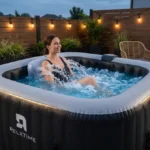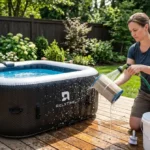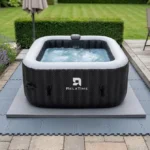
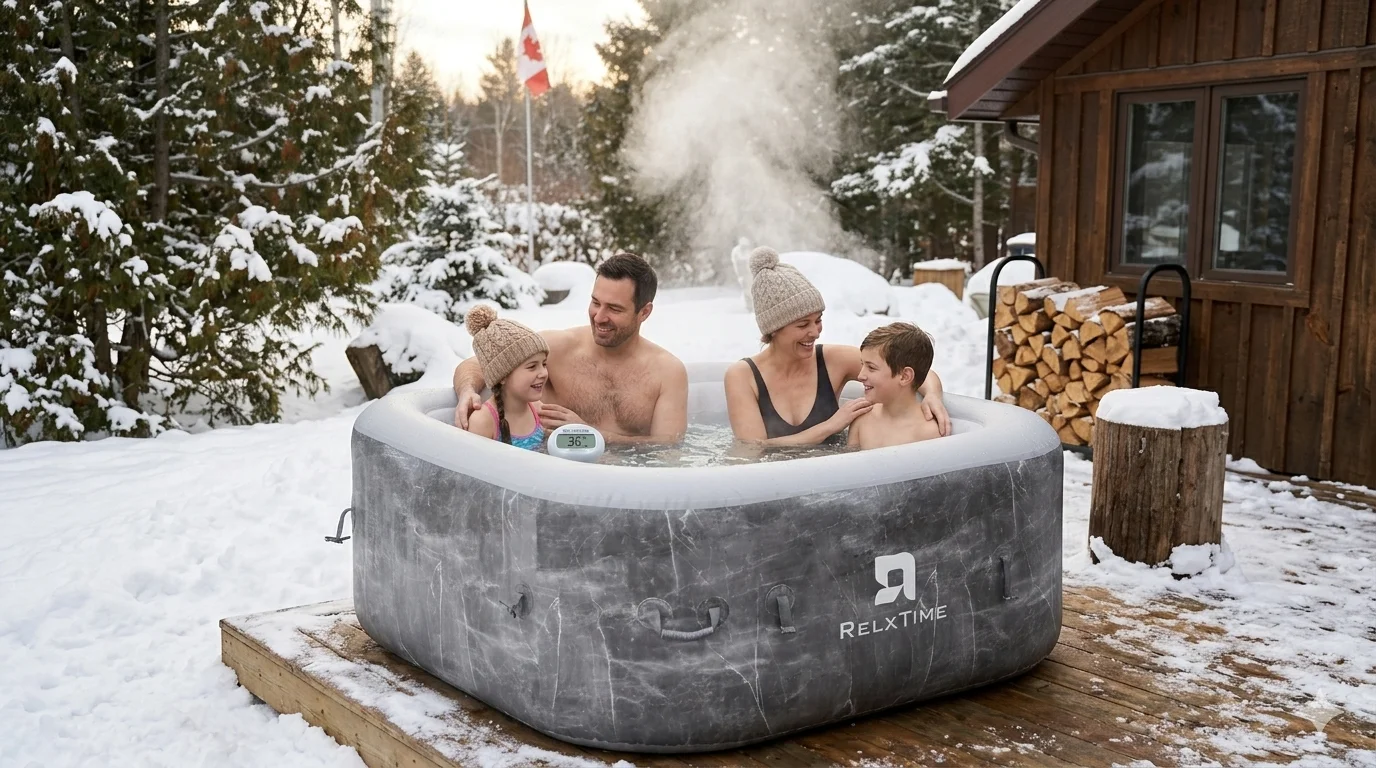
There is a reason inflatable hot tubs have become such a familiar sight in Canadian backyards. They are accessible, easy to set up, and offer genuine relaxation without the cost of a built-in spa. For families with children, though, the excitement of a backyard hot tub comes with a very real question is it actually safe to let the kids join in?
At Relxtime, we hear this question from parents across Canada all the time. The honest answer is: it depends on the age of the child, the water temperature, and how seriously supervision is taken. This guide covers everything families need to know before allowing children near an inflatable hot tub especially when you understand the hot tub safety rules for families at home.
What Is the Recommended Hot Tub Age for Children?
There is no single law in Canada that sets a legal minimum age for hot tub use, but paediatric health experts and safety organizations are consistent in their guidance. The risks are real, and age matters significantly.
| Age Group | Hot Tub Recommendation |
|---|---|
| Under 1 year (babies) | Not safe avoid completely |
| 1 – 4 years (toddlers) | Not recommended under any circumstances |
| 5 – 11 years | Allowed with strict supervision and temperature limits |
| 12 and older | Generally safe with adult supervision present |
Can babies go in hot tubs? The clear answer is no. Infants and toddlers have not developed the ability to regulate their own body temperature. Even a short time in warm water can trigger overheating, dehydration, or heat stroke. No level of supervision changes this biological reality the safest choice for young children is simply to keep them out.
Why Are Hot Tubs Risky for Young Children?
Understanding the specific risks helps parents make genuinely informed decisions — especially when learning about hot tub health risks and safety concerns.
Overheating and Body Temperature Regulation
A child’s body especially a toddler’s heats up far more quickly than an adult’s. Standard inflatable hot tubs sit between 37°C and 40°C, which is well within a dangerous range for small bodies still developing their temperature regulation systems. Heat exhaustion can set in quickly, and the early signs flushed skin, irritability, unusual quietness are easy to miss when everyone is relaxed and having fun.
The safe hot tub temperature for children aged 5 and older should not exceed 36°C (97°F). Always verify with a separate thermometer rather than relying on feel alone — maintaining the correct hot tub temperature for safe soaking is critical.
Drowning Risk in Hot Tubs
The warm water, gentle jets, and overall drowsiness that adults find pleasant can become a serious hazard for children. Small bodies can become overwhelmed by jet pressure, and the relaxing warmth of the water can cause a child to become lethargic or lose balance without warning. Hot tub supervision must be constant not glancing up occasionally, but fully present and focused.
Skin and Ear Sensitivity
Children have considerably more sensitive skin than adults. Prolonged exposure to hot, chemically treated water can cause skin irritation, rashes, and ear infections. Always rinse children thoroughly after every session and watch for any reactions in the hours that follow.
Suction and Jet Hazards
Even the softer jets found on most inflatable hot tubs can create suction near drain fittings. Hair entanglement and limb entrapment are genuine risks. Long hair must always be tied up before children enter, and children should be taught to keep their limbs away from jets and drain covers at all times.
Safe Temperature and Time Guidelines for Kids
Getting these two elements right is the foundation of safe hot tub use for children.
Temperature Rules
- Always lower the water temperature to 35°C – 36°C before children enter
- Never allow children under 5 into a hot tub regardless of temperature setting
- Verify the temperature using a dedicated thermometer, not by feel
- Do not let children adjust the temperature controls themselves
Time Limits
How long can kids stay in a hot tub safely? The answer is shorter than most parents expect.
- Children aged 5 to 7 should limit sessions to under 10 minutes
- Children aged 8 to 11 can stay up to 10 to 15 minutes maximum
- Always take a break before re-entering, and cool down fully between sessions
- If a child seems quiet, flushed, or unusually still, get them out immediately
Hydration During Hot Tub Use
- Keep cold water available throughout every session
- Avoid sugary drinks or juice plain water is best
- Encourage children to drink before getting in, not only when they say they are thirsty
- Watch for dizziness, nausea, or unusual tiredness these are early signs of overheating in hot tubs
Supervision Guidelines That Actually Work
This is the area where safety most often breaks down. Parents intend to supervise, but distractions creep in. A phone notification, a conversation with another adult, a quick trip inside any of these can create a dangerous gap.
- Designate one adult as the sole watcher for the entire session no phone, no distractions
- Never leave children alone in or near the hot tub, even for a moment
- Establish and repeat the rules every single time before children enter
- Position yourself close enough to intervene physically, not just visually
💡 Relxtime Tip: Before every family session, take 60 seconds to go over the rules out loud with the children present. Kids respond well to consistency, and repeating the rules builds the habit of taking the spa seriously.
Family Hot Tub Safety Tips for a Better Experience
Beyond temperature and supervision, these practical habits make a meaningful difference for families using inflatable hot tubs.
Setting Up the Space Safely
- Use a non-slip mat around the entire perimeter of the tub slipping around the hot tub is one of the most common causes of injury
- Install a lockable hot tub cover and keep it locked whenever the tub is not in active use hot tub cover safety prevents unsupervised access entirely
- Position the tub away from stairs, garden edges, or any surfaces that could cause a fall
Rules Inside the Tub
- No running, jumping, or dunking under any circumstances
- Sitting only no standing on edges or leaning over the side
- Children should never be allowed to adjust jets, temperature, or settings
- Use child safety locks on the tub’s controls where available
Water and Chemical Safety
- Check chemical balance before every family session improperly balanced water irritates children’s eyes, skin, and ears far more than adults’
- Rinse all children with clean water before they enter to reduce the load on the filtration system
- Shower children thoroughly after every session
Are Inflatable Hot Tubs Safer for Kids Than Traditional Built-In Spas?
Inflatable hot tubs do have some genuine advantages for families. They typically have lower jet pressure, softer walls, easier temperature controls, and a more relaxed setup overall. In that sense, they are somewhat more forgiving than a full built-in spa.
However, the core risks overheating, drowning, entrapment, and chemical sensitivity do not change based on the material of the tub. The same age restrictions apply. The same supervision standards apply. The same temperature and time limits apply.
What does make a real difference is choosing an inflatable hot tub with proper family-oriented features. Relxtime models are built with Canadian families in mind, offering lockable covers, precise digital temperature controls, stable non-slip bases, and reliable heating systems that maintain consistent temperatures even through cold Canadian winters.
Conclusion
Can children use an inflatable hot tub safely? Yes but the word “safely” carries real weight here. Children under 5 should never be in a hot tub under any circumstances. Children aged 5 and older can enjoy brief, supervised sessions at reduced temperatures, provided an attentive adult is present and the water conditions are properly managed.
At Relxtime, we believe backyard spa time should be something Canadian families look forward to together not something that carries unnecessary risk. By following these age guidelines, temperature limits, time restrictions, and supervision standards, you can make your inflatable hot tub a source of genuine family joy.
Water safety for kids is not something to approach casually. But with the right preparation, it is also not something that should prevent families from enjoying their spa together.
Frequently Asked Questions?
Here are some frequently asked questions given below:
What age can children use a hot tub safely?
Most paediatric health experts recommend waiting until a child is at least 5 years old before any hot tub use and even then, only with direct adult supervision and water temperature kept at or below 36°C. Younger children simply cannot regulate their body heat effectively enough to be safe in a hot tub environment.
Can babies go in hot tubs?
No. Babies and children under 5 should never be placed in a hot tub. Their bodies are unable to regulate heat properly, making them highly vulnerable to overheating, dehydration, and heat stroke even in briefly warm water. There is no safe way to make hot tub use appropriate for infants or toddlers.
What is a safe hot tub temperature for children?
For children aged 5 and older, water temperature should not exceed 35°C to 36°C (95°F to 97°F). This is noticeably lower than the adult standard of 38°C to 40°C. Always confirm the temperature with a separate thermometer before children enter never rely on feel or the tub’s built-in reading alone.
How long can kids stay in a hot tub safely?
Children should not stay in a hot tub for more than 10 to 15 minutes at a time. Children aged 5 to 7 should keep sessions under 10 minutes. Always take a proper break between sessions, encourage drinking water, and watch closely for signs of overheating such as flushed skin, unusual quietness, dizziness, or nausea.
Are inflatable hot tubs safer for children than built-in spas?
Inflatable hot tubs generally have lower jet pressure and more straightforward temperature controls, which makes them somewhat more family-friendly. However, the same age limits, supervision requirements, and temperature rules apply regardless of the tub type. For Canadian families, Relxtime inflatable models with lockable covers and digital controls offer an added layer of peace of mind.