Canada doesn’t do mild winters. From Vancouver Island fog-frost to a Winnipeg deep freeze hitting -40°C, outdoor spas face real punishment from October through March. A hot tub left without proper freeze protection can suffer cracked shells, burst pipes, and damaged pump components repairs that run into thousands of dollars.Cold weather hot tub heating.
The good news is that modern inflatable and portable hot tubs, including models available through Relxtime, come built with smart freeze protection systems designed specifically for cold-climate spa use. Understanding how these features work helps you use your spa confidently all winter long not just in the warmer months.
How Does Hot Tub Freeze Protection Actually Work?
The core idea behind freeze protection is simple: keep the water moving and keep the temperature above freezing. Still water freezes. Circulating water is far more resistant to ice formation, even in sub-zero conditions.
Here’s what happens inside a modern hot tub freeze protection mode:
Temperature sensors monitor constantly. Built-in sensors track the water and ambient air temperature around the clock. When the reading drops toward the danger zone typically around 4°C to 7°C (39°F to 44°F) the system responds automatically.
The pump and heater activate together. The spa freeze protection system triggers the circulation pump and heating element to switch on without any input from you. Water starts moving through the pipes, jet lines, and shell which prevents the kind of still-water freeze that cracks plumbing.
Freeze Shield® technology goes a step further. In Bestway SaluSpa models sold through Relxtime, the Freeze Shield® feature is a dedicated auto-heating function that kicks in specifically in near-freezing temperatures. It doesn’t just maintain your set temperature it overrides other settings to prioritise protecting the pump and liner above everything else.
The result: even if you forget to check your spa for a few days during a cold snap, the system is quietly protecting itself in the background.
At What Temperature Will a Hot Tub Freeze?
Water freezes at 0°C but your hot tub’s pipes and components are at risk before you hit zero. Uninsulated water sitting in narrow pipes can start to ice up anywhere between 0°C and -5°C, especially overnight when ambient temperatures drop fast.
In Canada’s coldest provinces Alberta, Saskatchewan, Manitoba temperatures regularly hit -20°C and below through January and February. At those levels, running your hot tub continuously is the safest strategy.Heating issues in hot tubs the spa should never be fully powered off during a cold stretch. Draining a hot tub in -20°C weather and leaving it empty is actually riskier for certain components than keeping it heated and running.
General Canadian winter thresholds to keep in mind:
- 0°C to -5°C: freeze protection mode activates; insulated cover essential
- -5°C to -15°C: keep the heater set above 36°C; check the cover seal daily
- -20°C and below: run continuously; do not drain; check water chemistry weekly
How to Keep Your Hot Tub from Freezing in Winter?
Even with a built-in freeze protection hot tub system, there are practical steps every Canadian spa owner should take during cold weather. The spa does its job better when you support it with good winter habits.
Keep the insulated cover on whenever the spa isn’t in use. This sounds obvious, but it’s the single biggest factor in heat retention. An EnergySense® insulated cover can cut heat loss by up to 40% which directly reduces how hard the heater works to maintain temperature and how much your electricity bill climbs.
Don’t let the water temperature drop too low. Some owners try to save energy by setting their spa to a very low temperature when they’re not using it. In winter, this can backfire the system then has to work harder to recover, and there’s a longer window of vulnerability if a power cut occurs. Keep the water at a minimum of 20°C even during idle periods in winter.Change hot tub water properly.
Monitor during power outages. A hot tub during a power outage is the scenario where freeze damage is most likely. If your power goes out for more than a few hours in freezing temperatures, you may need to drain and dry the spa completely, or add a spa-safe antifreeze product to the water as a temporary measure. Keep a portable thermometer nearby so you can track water temperature manually if the digital panel goes dark.
Check the cover for ice buildup. Heavy snow or ice forming on the cover adds weight that can damage the cover structure and compromise the insulation seal around the rim. Brush it off after heavy snowfall.
Position your spa thoughtfully. While there’s no universal rule for how far a hot tub has to be from a fence, placing it against a sheltered wall or fence line especially on the north and west sides blocks wind chill, which is one of the primary factors driving heat loss in Canadian winters.
Can You Use a Hot Tub in Winter in Canada?
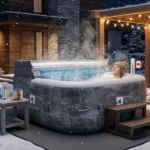
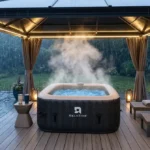
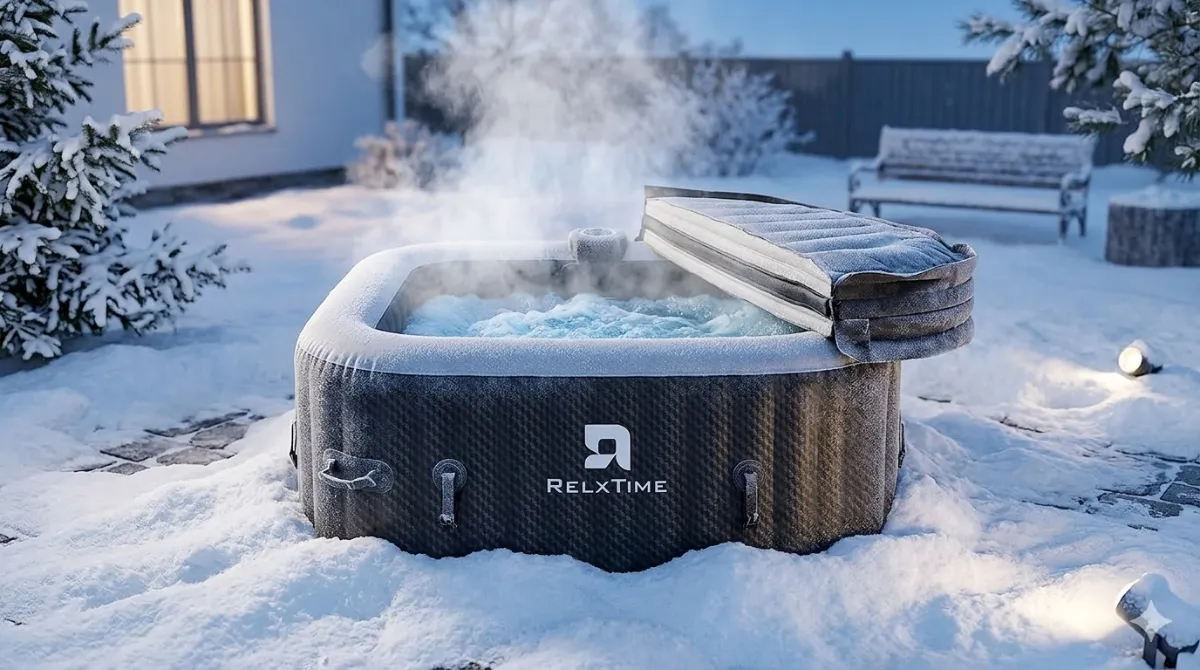
Yes and many Canadians consider it one of the best parts of owning a spa. Soaking at 40°C while snow falls around you, with steam rising off the water, is a genuinely different experience from a summer soak.
The health benefits are real too: hot water immersion in cold weather supports muscle relaxation, improved circulation, and stress relief all of which become more valuable during long dark winters.
The key is not treating winter spa use as a seasonal shutdown situation. Cold weather spa protection is about keeping the system active and supported not hibernating it.
Conclusion
Hot tub freeze protection in Canada isn’t a luxury feature it’s a necessity. Systems like Freeze Shield® auto-sensing, EnergySense® insulation, and continuous circulation pumps are what keep your spa safe when temperatures plunge. Pair those built-in features with good winter habits keeping the cover on, maintaining water temperature, monitoring during power outages and your spa can run reliably through even the harshest Canadian winter.
At Relxtime, we carry spa models built with Canadian winters in mind, so you can soak safely from October through March without second-guessing your equipment.
Frequently Asked Questions?
Here are some frequently asked questions given below:
How does hot tub freeze protection mode work?
Freeze protection mode uses built-in temperature sensors to detect when water or ambient air temperatures drop close to freezing. When triggered, it automatically activates the heater and circulation pump to keep water moving, which prevents ice from forming in the pipes, shell, and jet lines.
At what temperature will a hot tub freeze?
Still water in hot tub pipes can begin freezing between 0°C and -5°C, depending on insulation quality and wind exposure. In Canada’s coldest regions where temperatures hit -20°C or lower, running the spa continuously on freeze protection mode is the safest approach.
Can I drain my hot tub for winter in Canada?
Draining is an option but requires fully drying every component pipes, jets, and pump lines to prevent ice damage. In areas with prolonged deep freezes, keeping the spa running on low heat is often safer and less labour-intensive than a full winterizing drain.
How do I fix a hot tub freeze protection system that isn’t working?
Start by checking the temperature sensor connections and ensuring the pump is receiving power. If the freeze protection mode isn’t activating in cold weather, consult the spa’s manual for sensor reset procedures. Persistent issues should be assessed by a certified spa technician before the next cold snap.
Does freeze protection increase my hot tub’s electricity bill in winter?
It adds some energy use, but a well-insulated spa with an EnergySense® cover and Freeze Shield® active uses far less power than constantly reheating cold water after a temperature drop. Maintaining a consistent temperature is almost always more energy-efficient than letting it drop and recovering.